
No Frills 31#
Value creation focuses on what is necessary to deliver the core value proposition of a product or service, typically as basic as possible. Cost savings are shared with the customer, usually resulting in a customer base with lower purchasing power or purchasing willingness.

Examples: Iconic Cases
How they do it: McDonald’s product, supply chain and restaurant design is kept standardized and simple, allowing for efficient sourcing, food preparation and a high degree of standardization as well as cheap prices across restaurants. Compared to standard restaurants, the customer has to serve and clean up the table himself.
Learn more about McDonald's →
How they do it: H&M’s store design is simple and standardized across all stores. Clothes are placed on simple racks and shelves. Staff is present, however not meant to assist the customers in their purchasing experience but rather to refill racks and shelves.
Learn more about H&M →
How they do it: Automakers such as Ford started manufacturing no frills models to also target customer groups with low purchasing power. No frills automobiles often have only minimum convenience equipment, a less powerful engine and are fully trimmed on cost savings. Other areas of saving are for example less sound-proof material, plastic dashboards instead of rubber and less options to adjust the seat.
Learn more about Ford →
How they do it: Aldi focuses on providing its customers with cheap groceries, offering both own brand products as well as other brands. The shopping experience is kept on a basic level as the products are mainly presented in open boxes (warehouse style) opposed to presenting them individually on a shelf.
Learn more about Aldi →
How they do it: Denner presents its products in a simple way, sometimes even in still on the pallets instead of on shelves. In addition it has only few or one options for every product choice and few brand products,
Learn more about Denner →
Below, the top industries for the pattern "No Frills" are displayed, in order to get insights into how this pattern is applied across different industries. We've collected data from 5 firms using this pattern.
Top Industries

29% of firms using pattern

14% of firms using pattern

3% of firms using pattern
All Industries
Below, the pattern "No Frills" is analyzed based on co-occurrence, in order to get insights into how this business model pattern is applied in combination with other patterns within the firms we studied.
Top Co-Occurrences

5 pattern co-occurrences
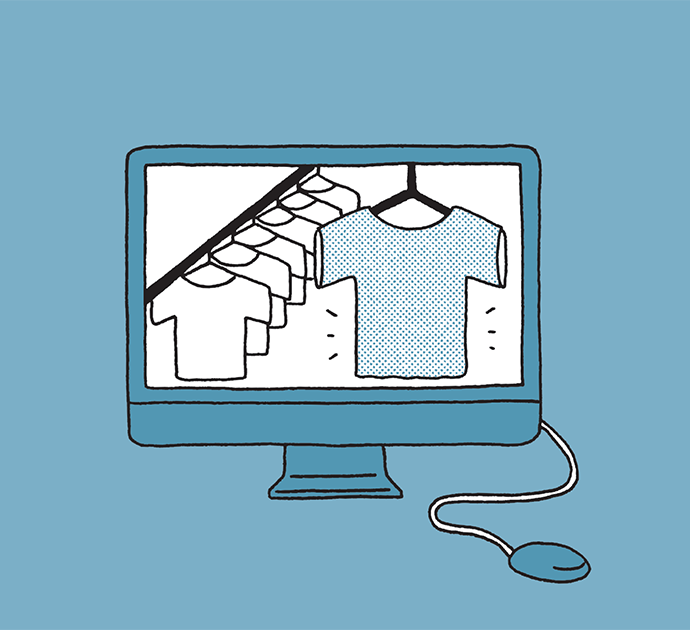
4 pattern co-occurrences
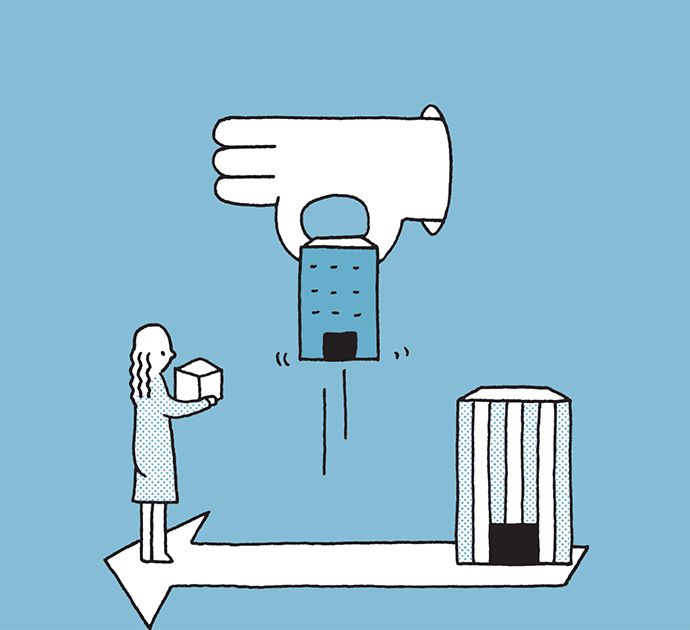
4 pattern co-occurrences